Fake medicines in Pakistan: what DRAP's alerts reveal, and how to protect yourself
Fake and substandard medicines are a real, recurring problem in Pakistan, and DRAP's own alert record shows it. In 2025 alone DRAP published 35 alerts about spurious or falsified products and 60 about substandard ones. That is why Mehfooz Dawa exists, and why a one-minute check at the counter is worth doing.
What the alerts show
Reading through DRAP's public alerts reveals some clear patterns:
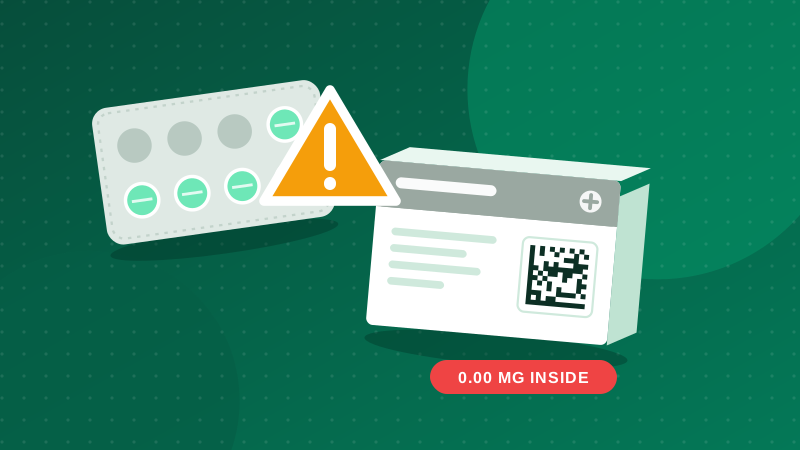
- Empty tablets. In June 2026 DRAP reported tablets labelled as Novidat 500 mg (ciprofloxacin) that contained 0.00 mg of the antibiotic on testing, and Tonoflex-P tablets with none of either active ingredient.
- Hormone tablets. In April 2026 several dydrogesterone brands used in pregnancy care were declared spurious, with no active ingredient detected.
- Injectables and vaccines. Alerts in 2026 covered falsified Rhophylac anti-D injection and falsified influenza vaccines, products where a fake can cause serious harm.
- Medical devices. Disposable syringes were declared substandard after failing the auto-disable test that prevents reuse.
You can search all of these yourself in our DRAP recall alerts tool.
Spurious, substandard, falsified: the words in the alerts
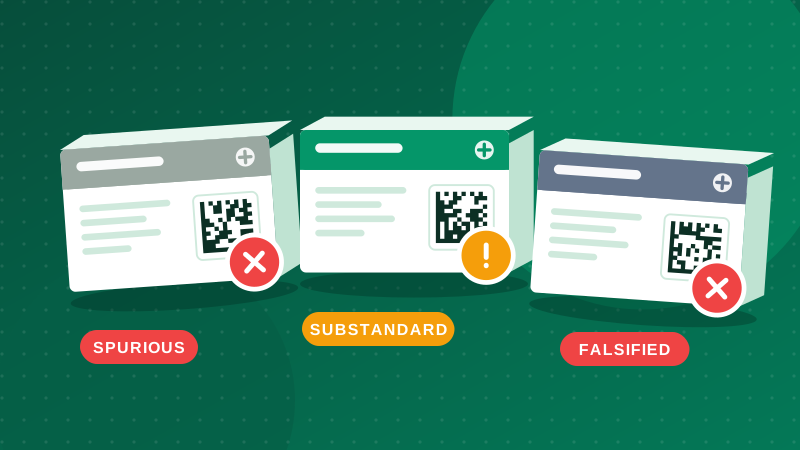
DRAP's notices use legal terms from the Drugs Act, 1976. In short: a spurious or falsified product pretends to be something it is not; a substandard product is genuine but fails quality tests; an unregistered product is sold without DRAP approval. Our guide on what these terms mean goes deeper.
Why fakes reach patients
Counterfeiters target fast-moving brands with good margins and slip product into the supply chain through unlicensed wholesalers, informal markets and online sellers. Packaging is often good enough to fool a quick look. Before track and trace, a patient had almost no way to check a box beyond its appearance.
Can you spot a fake pack?
The pack marked Suspect has five warning signs. Tap where you see something wrong.
- Misspelled name. “Zenadool” instead of the real brand spelling. Copied packs often have typos.
- Logo looks wrong. Blurry or off-colour logos are a sign of scanned and reprinted artwork.
- No registration number. Every legal medicine prints a DRAP Reg. No. Here it is missing.
- Expiry looks altered. Uneven, overprinted or scratched dates suggest tampering.
- No square code. There is no scannable code, so this pack cannot be checked by serial number.
All five found. On a real pack, two or more of these signs is reason to stop and ask.
Five habits that protect you
- Buy from licensed pharmaciesAsk for a receipt. Be wary of street sellers and social media offers.
- Scan the packScan the square code before you leave the counter. It takes seconds.
- Check batch and expiry on box and stripThey should match exactly.
- Notice changesA different colour, taste, size or effect from your usual medicine is worth mentioning to your pharmacist.
- Be suspicious of bargainsA branded medicine at a fraction of its usual price is the most common lure.
If you find something wrong, report it. Patient reports are how many of these alerts begin.
Questions people ask
How common are fake medicines in Pakistan?
There is no single reliable national figure. What is public is DRAP's own alert record: dozens of spurious and substandard product alerts every year, covering antibiotics, painkillers, hormones, vaccines and injections. The WHO estimates about 1 in 10 medical products in low- and middle-income countries are substandard or falsified.
Which medicines are faked most?
Fast-selling and expensive ones: common antibiotics, painkillers, vaccines, injectable products, hormone tablets and imported brands. DRAP alerts repeatedly name well-known brands, not obscure ones.
What happens to people who take fake medicine?
It depends on the fake. A tablet with no active ingredient means an infection or illness goes untreated and can worsen. Contaminated or wrong ingredients can cause direct harm. Under-dosed antibiotics also help bacteria become resistant.
Is buying from a big pharmacy enough protection?
It lowers the risk a lot but does not remove it, because fakes can enter through distributors. Scanning the pack adds a check that does not depend on where you bought it.