How to check if medicine is original or duplicate in Pakistan
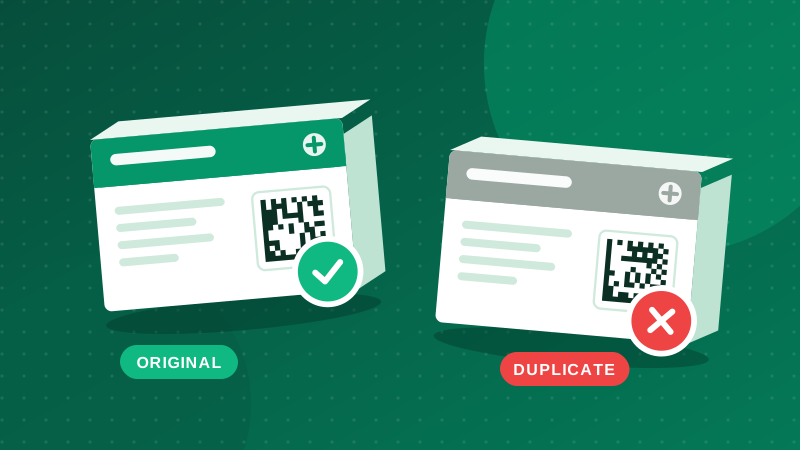
The quickest reliable test is to scan the small square code on the box. If the result shows the right medicine and maker, the pack is registered in DRAP's track and trace system. If there is no code, or the scan fails, four more checks will tell you whether to trust the pack or take it back.
None of these checks takes special knowledge. They take a minute at the counter, and they are worth doing every time, especially for antibiotics, insulin, blood-pressure tablets and children's syrups, which counterfeiters target most.
1. Scan the Mehfooz Dawa code
Packs from manufacturers that have joined the programme carry a GS1 DataMatrix code, a small square of dots, with GTIN, serial, batch and expiry printed beside it. Scan it here or on DRAP's portal.
A verified result is the strongest evidence you can get as a patient. But read it properly: the medicine name, strength and company in the result should match the box in your hand. A real code copied onto a fake box would verify, yet show a different product or a serial that turns up on many boxes.
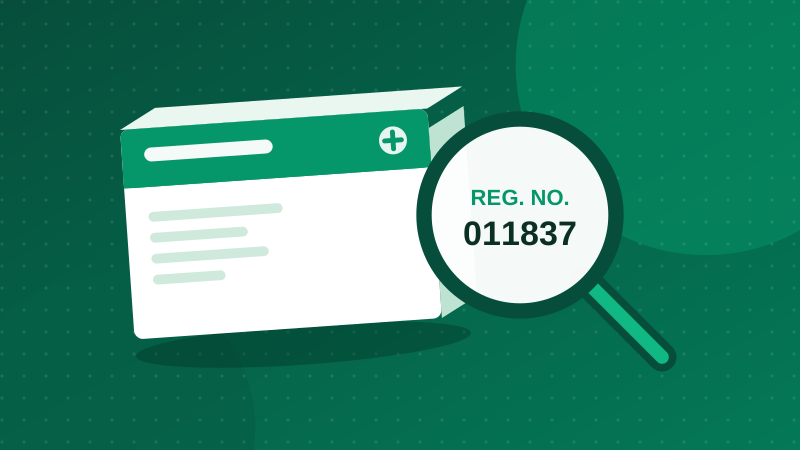
2. Find the DRAP registration number
Every medicine legally sold in Pakistan must be registered with DRAP and carry its registration number on the label, usually written as Reg. No. followed by digits. A pack with no registration number at all should not be on a pharmacy shelf. Imported medicines carry it too, often on a sticker added by the local importer.
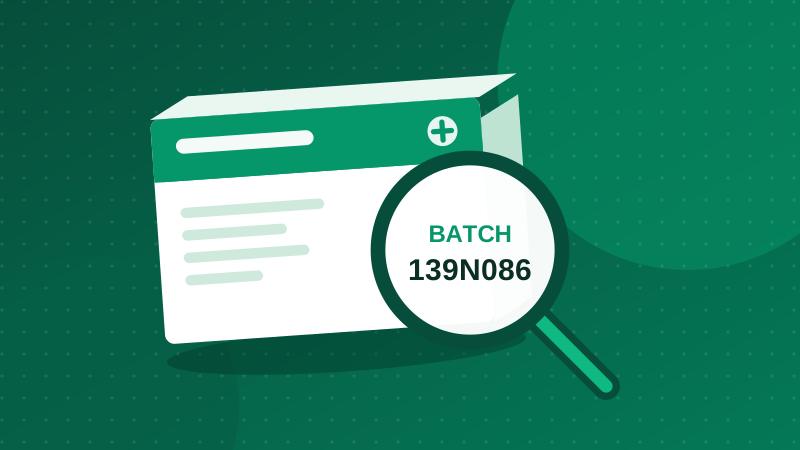
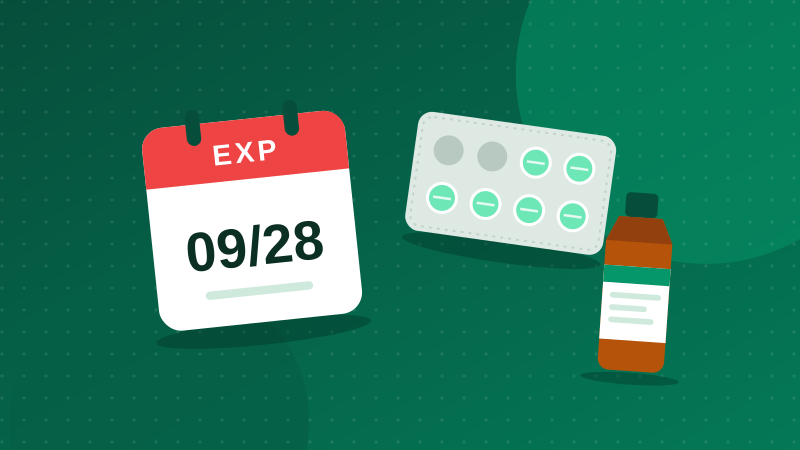
3. Read the batch number, dates and price
A genuine pack prints a batch number, a manufacturing date, an expiry date and a maximum retail price. These should be printed cleanly, often embossed or laser-etched, and the batch and expiry on the box should match what is printed on the strips or bottle inside. A mismatch between outer box and inner strip is one of the clearest signs of repackaging.
4. Inspect the seal and the printing
- Seal: cartons, bottle caps and tubes should be sealed. Look for glue marks, cuts or a cap that turns too easily.
- Print quality: fakes often have fuzzy text, slightly wrong colours, uneven alignment or spelling mistakes in the leaflet.
- Leaflet: most medicines include a patient information leaflet. A missing or photocopied leaflet is a warning sign.
5. Look at the medicine itself
If you have used the medicine before, compare. Different colour, size, smell, a tablet that crumbles, a syrup that has separated, or an injection that is cloudy when it should be clear are all reasons to stop. Note any unusual side effects or a medicine that "does not work like before", and tell your doctor.
Practise: spot the fake
The pack marked Suspect has five warning signs. Tap where you see something wrong.
- Misspelled name. “Zenadool” instead of the real brand spelling. Copied packs often have typos.
- Logo looks wrong. Blurry or off-colour logos are a sign of scanned and reprinted artwork.
- No registration number. Every legal medicine prints a DRAP Reg. No. Here it is missing.
- Expiry looks altered. Uneven, overprinted or scratched dates suggest tampering.
- No square code. There is no scannable code, so this pack cannot be checked by serial number.
All five found. On a real pack, two or more of these signs is reason to stop and ask.
If something looks wrong
Do not take it. Keep the pack, the strips and your receipt, ask the pharmacy to replace it, and report it to DRAP. Reports are how bad batches get found and recalled.
Questions people ask
Can I check original medicine by batch number?
A batch number alone cannot prove a pack is genuine, because every box from that production run carries the same number. It is useful for recalls: if DRAP announces a recalled batch, compare the number on your box. To verify one specific box, you need the serial number from the square code.
Can I check original medicine by SMS?
Some countries run SMS checks using a scratch-off code. Pakistan's Mehfooz Dawa system works by scanning the square code or entering its details on the web, not by SMS. Be careful with messages offering an SMS verification service; check who is behind them.
How do I know if a medicine is duplicate just by looking?
Look for blurred or uneven printing, spelling mistakes, colours that differ from your previous pack, a broken or re-glued seal, tablets that crumble or look different, and a missing registration number, batch or expiry. One sign alone is not proof, but two or more is a reason to stop and ask.
Is medicine from an online pharmacy safe?
It can be, if the seller is a licensed pharmacy with a physical address and a qualified pharmacist, gives a proper invoice, and delivers sealed packs. Scan the pack on arrival. Avoid social media sellers offering prices far below market.